The Harlequin romance lay facedown beside her coffee. The man on the cover was broad-shouldered, idealized; the woman meek, perfected by her compliance. She could still vividly recall the years when women were trained from an early age to accept less and call it virtue.

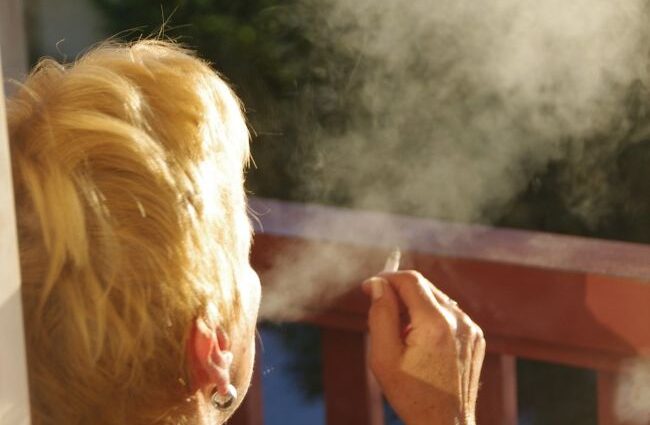
She stared at the swirling smoke from her cigarette and thought of her own mother. Eleanor Hollis Carter. She had been hard and cruel. She had never wanted a daughter and held a particular contempt for weakness—by which she meant all women but herself.
When Eleanor had gotten pregnant again, she hoped for another son. Unfortunately for Frances, nature and bad luck had conspired against her.
Eleanor worried that each woman was put in her path to steal her husband’s attention, including her own daughter, perhaps even more so. Regrettably, Frances’s father had always wanted a daughter and showered her with love and affection whenever he was home.
More unfortunately for Frances, her father was also frequently away from home.
She thought of her mother now, long dead. Dead before Frances had birthed her final son, and thank God for that. Frances hadn’t wanted them around her, hadn’t wanted her foulness to twist in their ribs and lungs the way it had in her own.
She didn’t mourn her. She never had. Not when she passed, not when she was lowered into the ground, but she did think of her sometimes, especially when she lit a cigarette.
She hoped her mother was rotting in hell; eternal torment seemed inadequate compared to what she had made of her only daughter’s life.
She stared at the cigarette again. Lung cancer had taken her first son. It would probably cause her death as well, and some small, ungenerous part of her blamed her mother anyway.
She had begun smoking during the summer of 1948, three years after Hitler died, and long before equality reached beyond the page. The laws she learned by rote held little sway over the hearts of men.
Equality had even less impact on her mother, and that summer she was especially ruthless in her criticism.
“Frances Adele Carter, I will not have a daughter of mine traipsing about Mill Creek as if she has no couth nor family to speak of. Being a Carter means something in this town,” she said. Her shrill voice followed her daughter up the stairs.
Frances hated it when Daddy was out of town. That’s when Mother sharpened her cruelty. She had never hidden her disappointment—Frances wasn’t the third son she’d wanted, just another woman who stole her husband’s attention.
“Mother, we live in Mill Creek. There’s no trouble I can get into that would bring dishonor on your name,” she said, wrapping the ribbon around her red waves.
“Loose women smoke and get into compromising situations with men. Men who have no intention of raising the bastard children produced.”
She stood at the top of the stairs and stared into her mother’s long face. Her lips were pursed, and anger poured from her.
“I do not jump in cars with men, nor do I smoke. Joan and Dorothy smoke, you smell smoke on me because I ride in the car with them,” she said for what felt like the millionth time.
She walked down the stairs, not breaking eye contact with her mother. She brushed past her once she hit the bottom step.

“You’re wrong. As always,” Frances said. She paused in the hall to look in the mirror. She applied a thin coat of light pink lipstick and pinched her cheeks to look a bit redder.
“I will not be raising a bastard child born out of wedlock. I will turn you out of this house and pretend I never had a daughter,” she said. Her voice was more shrill than ever, so shrill it was giving Frances a headache that thumped and raged at her temples.
“My unconceived and unborn child and I are thankful they will not be subjected to you,” she said.
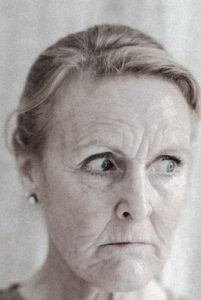
She turned to the door and thought about leaving without looking back, but thought better. She turned back to look at her mother. Her mother’s brown hair was curled into a punishing bun. Her pale green dress was just outdated enough to be modest on purpose. She was tall, cold-eyed, and distant—built to command, not to nurture.
“Daddy is gone so much because you’re such a miserable bitch,” she said and then quickly opened and slammed the door. She would pay for her mouth later, but for now, she laughed, picturing her mother’s face behind the door.
She ran down the long stairs from the front porch.
Halfway down, she paused and turned back.
Her mother’s face hovered in the window, watching like a warden, making sure Frances didn’t meet any men.
She ran down the remaining steps. The blue Studebaker waited. Joan’s car.
Even her friends didn’t know how bad it was. Her brothers were gone, and she was too ashamed to let anyone all the way in.
The passenger door opened, and Dorothy’s wide smile met her. The tiny gap in the middle of her front teeth was charming and made her even more endearing. Her black hair was swept up and curled away from her face, bobby pins holding her bangs in a complicated swirl. She scooted to the middle of the coupe’s bench seat, making room.
“So—what’s on for tonight?” she asked, sliding into the seat.
“Well, we were thinking we’d go to the sock hop at the college,” Joan said.
Dorothy scooted a bit further away.
Any other night, Frances would complain. The dances were always boring, and the same people always attended. Most of the boys, whom she couldn’t even call men, didn’t want to dance or didn’t care enough to learn the fashionable dances.
“Alright,” she said. She rolled down the window and watched the buildings go by. They would be at the college in less than five minutes, small-town life at its finest.
They pulled into the lot behind the college gymnasium, the radio still humming some tune she wasn’t listening to. Joan killed the engine and lit a cigarette with a practiced flick of her thumb.
“Want one?” she asked, letting the smoke drift out slowly.
Frances usually shook her head. She hated the smell, the way it clung to her hair, the warning it would give her mother when she came home. But tonight, she held out her hand.
Joan raised an eyebrow but passed the pack to her.
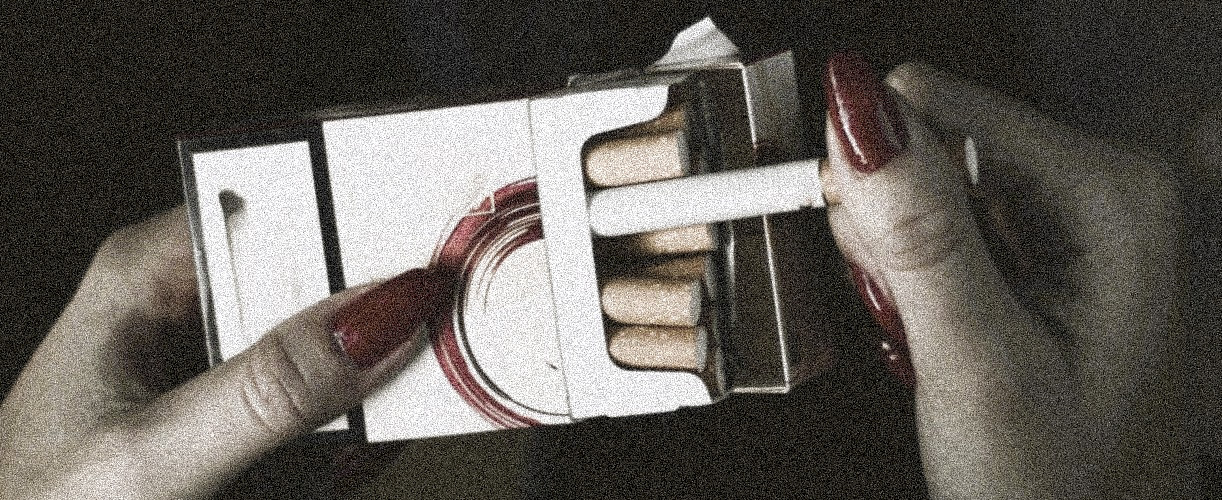
Frances placed the cigarette between her lips and leaned in as Joan offered the flame. She took a long drag, coughed once, and then tried again. It wasn’t good. It wasn’t pleasant. But it was hers.
Dorothy laughed. “You? I didn’t think you smoked.”
“I do now,” Frances said, staring through the windshield, through the gymnasium, through time. She thought of the woman in the window.
Her hacking cough dragged her back to the present—fifty-two years into a habit that had outlived nearly everything else. She no longer knew Joan; she’d married while they were still in college and moved to Tallahassee, Florida. Dorothy had died in Korea, a MASH nurse caught in a blast.
That war took one of the best friends she’d ever had, but Douglas survived and came home to her. They’d built a wonderful life. She could hear her granddaughter running down the wooden winding stairs. The screen door slammed as Doug came in from collecting eggs.
She took a final drag from her cigarette and stubbed it out in the crystal ashtray. Smoke curled into the sunlight.
Jillian Bailey is an Appalachian author from Kentucky. She spends her days with her children and Saint Bernard. She holds an MA from East Tennessee State University and has had poems and short stories previously published in other journals. She is currently writing her first novel, as well as other poems and short stories.
**Featured image from Picryl